Mining, copper and lithium: Rebuilding social licence
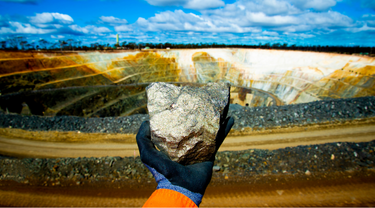
Nowhere are these challenges more visible than in mining. Chile is the world’s largest copper producer and second-largest lithium producer, with more than US$100 billion in mining projects expected over the next decade, according to Cochilco, the country’s mining policy advisory agency. Geology isn’t the constraint; legitimacy is.
Permitting delays, labour disputes, water and energy constraints and rising security concerns have weighed on output just as global demand for critical minerals accelerates. Communities are demanding clearer commitments on environmental impacts, local jobs and procurement, and how regions will share in the gains—or absorb the disruption.
A Chilean saying resonates with Canadian investors: Las cuentas claras conservan las amistades—clear accounts preserve friendships. In country-risk terms, clear rules preserve capital. When benefit-sharing, environmental safeguards and compliance expectations are explicit and consistently enforced, conflict risk declines; when they are not, uncertainty rises and disputes migrate to the courts. The dynamic extends beyond mining to the broader political economy.
From pro-market rhetoric to credible execution
President Kast’s market-friendly messaging and technocrat-heavy cabinet signal an intent to restore confidence and lower the political temperature. But social buy-in isn’t rebuilt through announcements alone. As Chileans often say, El movimiento se demuestra andando—credibility comes from execution.
In mining, that means effective consultation and predictable enforcement. More broadly, the administration will need durable, cross-societal support to sustain its agenda over time.
Reducing permitting risk and accelerating investment
Chile’s core challenge lies less in policy design than in implementation. The government is seeking to address longstanding bottlenecks. The previous administration’s Framework Law on Sectoral Authorizations targets permisología—permit overload—by shortening approval timelines. Updates to environmental assessment processes aim to improve efficiency without weakening standards.
Early decrees to expedite delayed permits and advance the Plan Desafío 90 agenda are intended to signal momentum. Delivery matters for country risk: When approvals stall, investment slows, growth underperforms and fiscal pressures mount—undermining commitments to austerity and tax competitiveness.
President Kast’s economic agenda broadly aligns with business priorities. For Canadian firms—particularly in mining services, engineering, water management, electrification and decarbonization—the opportunities are significant. The primary domestic risk is renewed social unrest or labour activism if austerity measures, conservative social positions or security policies are viewed as overreach.
In a small, open and investment-dependent economy, there are limits to ideological policy-making. As the Chilean proverb goes, Ir contra la corriente, casi nunca es conveniente—going against the current is almost never convenient. Social licence and policy execution will shape project timelines, financing costs and overall viability.
The bottom line: Outlook for Canadian companies operating in Chile
Chile under President Kast is unlikely to abandon its rules-based model. Instead, the test will be whether that model can once again deliver results while renewing public legitimacy. Chile should remain one of Latin America’s most attractive commercial environments, with medium-term growth risks tilted to the upside.
For Canadian firms, the opportunity is real—but timelines will be set as much in communities and courts as in cabinet rooms. EDC’s on-the-ground presence, financial solutions and market intelligence can help investors and exporters capture Chile’s solid growth potential.
This week, special thanks to Daniel Benatuil, senior country risk analyst for Latin America.
As always, at EDC Economics, we value your feedback. If you have ideas for topics you’d like us to explore, please email us at economics@edc.ca and we’ll do our best to cover them.